|
Pashupatinath Temple
At the beginning of March, hundreds of thousands of Hindus from all over the world congregate at Pashupatinath for Maha Shiva Ratri (the Great Night of Shiva), an unforgettable spectacle of local devotees, pilgrims, priests, stark naked sadhus and yogis (holy men”), all vying to get a glimpse of the sacred “linga”, Shiva’s phallic symbol, which has been there for many centuries in the inner sanctum sanctorum.
Pashupatinath is also home to several thousand common rhesus monkeys who wander all over the temples and on rooftops and often delight visitors with their antics in the river. However, they can be a nuisance and unwary visitors have lost cameras, purses and hats to them.
Pashupatinath Temple is a UNICEF World Heritage Site.
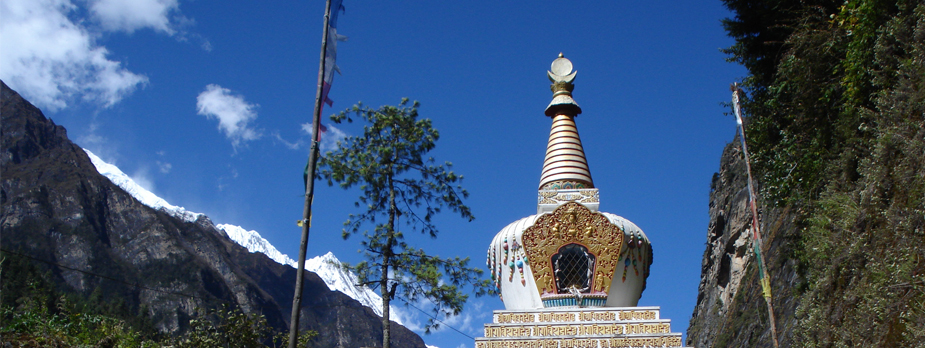
Situated atop a high hill overlooking Kathmandu city, two-thousand years old Swoyambunath is one of the oldest temple-chaityas (Buddhist stupa)in the world. Beneath the high spire and gilt copper pinnacle and on all four sides, the all-seeing eyes of the Buddha gaze out at the world. This temple, three kilometers west of the city, also represents the hybrid religion of Buddhism-Hinduism practiced by many inhabitants of the Valley. Inside and outside the Temple area are many superbly crafted images of the Buddha and other entities closely linked to Buddhism. Visitors have dubbed Swoyambhunath the “monkey temple” as there is a large troop of monkeys here.
Pashupatinath Temple is dedicated to Shiva but there are other temples in the huge complex, dedicated to Ram, Krishna, Vishnu, Durga and Buddha. Buddhists also visit Pashupatinath because the Buddha spent several years meditating at the base of Mount Kailash, abode of Shiva, in western Tibet, and is said to have gained much enlightenment there. In fact, in May each year, prominent Buddhist monks hold a special prayer and meditation session here.
|
|
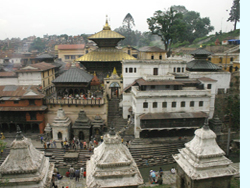 Pashupatinath, meaning Lord of all Living Beings, and one of the names of Shiva, is Nepal’s most sacred Hindu temple and pilgrimage destination for millions of Hindus from all over the world. Expanded upon from it’s small beginnings by succeeding kings, it stands several miles east of the city center, overlooking the holy Bagmati River. Hindus cremate their departed ones here at Arya Ghat on the western river bank.
 We are associated with: 


Our Community: 


© Bluesapphire 2012 | Company Reg No # xxxxxx/xxx-xxx, VAT NO # xxxxxxxxx
All Rights Reserved.